Virginia Woolf was born in London in 1882, into a house full of books and visitors and the sound of her father turning pages late into the night. Her childhood had two sides — bright summers by the sea in Cornwall, where the lighthouse stood across the bay, and darker years of loss, when her mother and her half-sister died and the world seemed to shift beneath her. She did not attend university, as her brothers did, but she read everything in her father’s library, and she listened, and she watched, and she began to understand that the life of the mind was as real as any life lived in the streets outside.
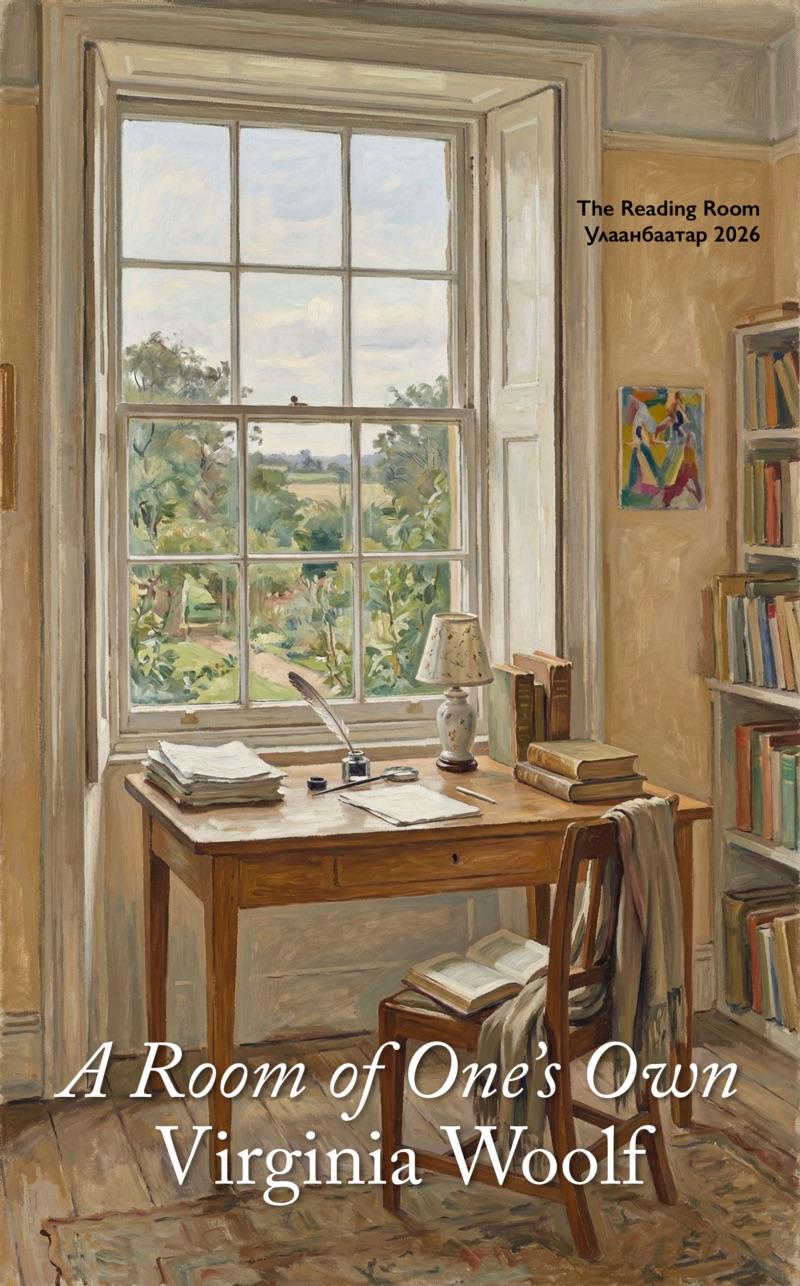
She wrote novels that moved not through events but through thoughts — the way a moment at a dinner party could open into memory, or the sight of waves against a shore could hold a whole lifetime inside it. Mrs Dalloway follows a single day in London. To the Lighthouse returns to those childhood summers. Orlando plays with time itself, stretching one life across centuries. With her husband Leonard, she founded the Hogarth Press, publishing her own work and the work of others on a small hand-press in their dining room. She also wrote essays, like A Room of One’s Own.
What drove her was the belief that ordinary experience — a walk, a colour, the way light falls on water — deserved language as careful and alive as any grand subject. She struggled, throughout her life, with periods of deep illness that pulled her away from the world she observed so closely. Yet she kept writing, kept asking how to capture what it feels like to be alive on an ordinary afternoon, and in doing so she changed what the novel could be.