Английн уран зохиол
Tobermory
«It was clear that boring questions had no place in his way of life.»
~ 15 min read·Түвшин
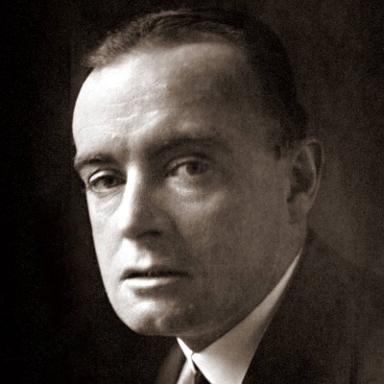
Hector Hugh Munro was born in Burma in 1870, which was precisely the sort of distant, exotic beginning that a writer of his particular talents required. His mother died when he was two — trampled by a runaway cow, if you can believe it, and you must, because it is true — and he was sent to England to be raised by two strict aunts in Devon. The aunts were humourless, overbearing women, and young Hector repaid them in the only way a future satirist could: he put them in his stories, again and again, where they were outwitted by clever children and occasionally eaten by large animals.
He wrote under the pen name Saki, borrowed — most likely — from the cupbearer in the Rubaiyat of Omar Khayyam. After working as a journalist and foreign correspondent in Russia and Paris, he settled into writing the short, sharp tales that made his reputation. Stories like “The Open Window,” “Sredni Vashtar,” and “Tobermory” are marvels of polite cruelty: elegant drawing rooms where the real savagery belongs not to the wolves and wild beasts but to the well-mannered people sitting in armchairs. His characters smile at each other the way cats smile at birds.
Saki volunteered for the First World War despite being over the age limit, refusing a commission so that he could serve as an ordinary soldier. He was killed by a sniper in France in 1916. His last recorded words were “Put that bloody cigarette out” — directed at a fellow soldier whose light might attract enemy fire. It was, one feels, exactly the sort of practical, unromantic exit he would have written for one of his own characters.
«It was clear that boring questions had no place in his way of life.»
«Poor aunt always thinks that they will come back some day, and walk in at that window just as they used to do.»
«Often and often Nicholas had pictured to himself what the lumber-room might be like, that place which was so carefully kept from young eyes and about which no questions were ever answered.»