Оросын уран зохиол
Electrification
«What is the most popular word today? The most popular word today is "electrification."»
~ 3 min read·Түвшин
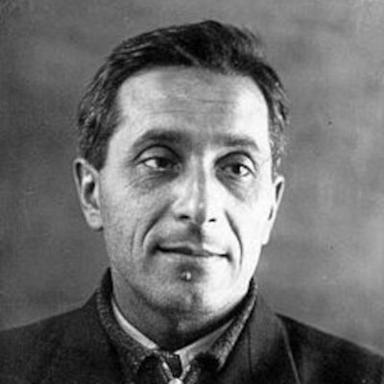
Mikhail Mikhailovich Zoshchenko was born in 1894 in the city of Poltava, into a decent family — his father was a painter, his mother wrote stories for the newspaper — and from the very beginning things kept happening to him, one after another, the way things happen to a man in a queue at the post office: unavoidable, unpleasant, and slightly absurd. He fought in the First World War, was gassed, was wounded, received medals, came home, and tried to be a cobbler, a policeman, a card player, a rabbit farmer, and several other things that did not work out. Then he started writing, and this, finally, did work out, though it also caused him a great deal of trouble.
His stories — hundreds of them, short and sharp, written in the 1920s and 1930s — were told in the voice of the ordinary Soviet citizen: a man who cannot get his stove repaired, a woman who starts a fight in a communal bathhouse, a tenant who discovers a dead body in his apartment and worries mainly about the paperwork. Collections like Nervous People and What the Nightingale Sang About made him the most popular humorous writer in Russia. People read him aloud on trains. They recognised themselves and laughed — the nervous, embarrassed laughter of someone who has just done something very stupid in front of a crowd. Zoshchenko’s language was plain, clumsy, bureaucratic, full of the wrong word in the wrong place, and this was exactly the point: he wrote the way people actually talked, and what people actually talked about was plumbing, housing, jealousy, and how to get a new pair of boots.
Then, in 1946, the Central Committee of the Communist Party — which did not enjoy being laughed at, not even a little bit — declared that Zoshchenko was a vulgar, anti-Soviet writer. He was expelled from the Writers’ Union, which meant he could not publish, which meant he could not eat, more or less. He spent his last years translating Finnish novels and doing odd literary jobs, growing thin and sad and quiet. He died in Leningrad in 1958, still not rehabilitated. But his stories survived, because funny things are very hard to kill. People passed them around, read them aloud at kitchen tables, and laughed that same uncomfortable laugh — the laugh of a person who knows that the joke is about him.
«What is the most popular word today? The most popular word today is "electrification."»
«What, brothers, is the most fashionable word today? The most fashionable word today is, of course, "electrification."»