Оросын уран зохиол
Master and Man
«Storms hide the heavens in darkness... ah it howls like an animal, ah it cries like a child.»
~ 93 min read·Түвшин
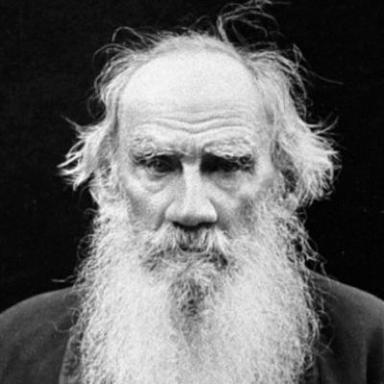
There was born, in the year 1828, on a great estate called Yasnaya Polyana — which means “Bright Glade,” and which lay surrounded by birch forests and open fields in the heart of Russia — a boy named Lev Nikolayevich Tolstoy, who would grow into a man unable to stop asking one single, terrible question: How should a person live? He was a count, which is to say he was rich, which is to say he owned land and horses and everything a man might need to be comfortable, and yet comfort did not satisfy him, could never satisfy him, because he understood — slowly at first, and then all at once, the way a man understands that winter is coming when he sees the first yellow leaf — that no amount of wealth could answer the question that burned inside him.
He wrote novels. He wrote War and Peace, which told the story of Russia itself through the lives of families during Napoleon’s invasion, and he wrote Anna Karenina, and these books were so vast and so true that people said he had captured life itself on paper. But Tolstoy, who could see into the hearts of his characters with a clearness that frightened even him, turned that same clearness upon his own life, and what he saw there made him ashamed. He had been a soldier, a gambler, a man of appetites. He had owned other human beings.
And so, in his later years, he gave away his wealth, dressed as a peasant, mended his own boots, and plowed his own fields — because he believed, with the full force of his enormous mind, that the truth was simple, that love was simple, and that only people made things complicated. He died in 1910, at a small railway station, having left home in the middle of the night like a character from one of his own novels — still searching, still asking, still not satisfied that he had found the answer.
«Storms hide the heavens in darkness... ah it howls like an animal, ah it cries like a child.»
«As he began saying goodbye to his family, his wife said to him, 'Don't go today, Ivan Dmitrych. I've had a bad dream about you.'»