Franz Kafka was born in Prague in 1883, into a situation he did not choose and could not escape — which is to say, into a family. His father, Hermann, was a large, loud, successful businessman who filled every room he entered. Franz was thin, quiet, and certain that he would never be enough. He studied law at university, not because he wanted to but because it seemed like the kind of thing one was supposed to do. He took a position at an insurance company, where he spent his days writing reports about workplace injuries. In the evenings, often late at night when the apartment was finally still, he wrote the other things — the real things — in notebooks that he kept mostly to himself.
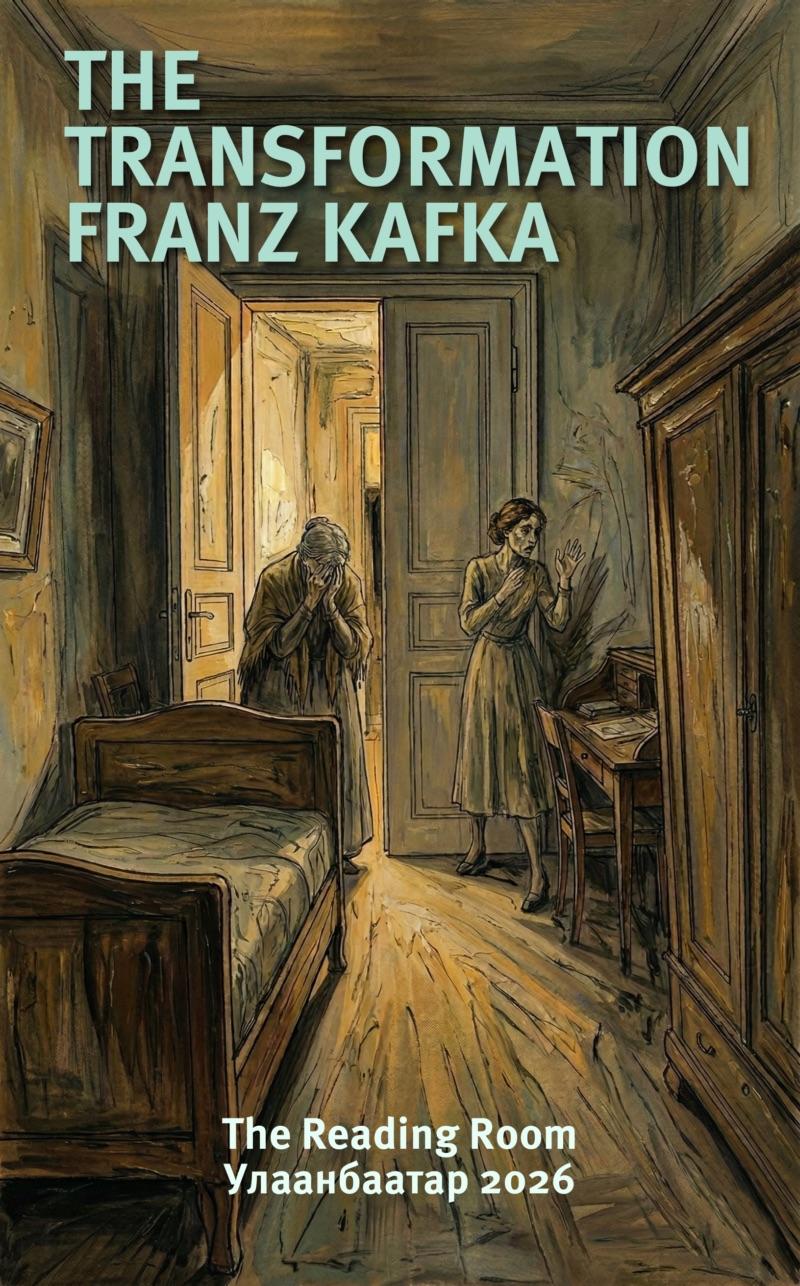
What he wrote was unlike anything that had come before. In “The Metamorphosis,” a man wakes up one morning transformed into a giant insect, and must somehow go on living in a household that does not know what to do with him. In “The Trial,” a man is arrested and put on trial, but no one will tell him what crime he has committed, and every office he visits sends him to another office. In “The Castle,” a man arrives in a village to begin a job, but the authorities who hired him cannot be reached, and the job never quite begins. These stories feel like dreams — not pleasant dreams, but the kind where everything looks almost normal and yet nothing works the way it should.
Kafka published very little during his lifetime, and what he did publish, he was never satisfied with. He asked his closest friend, Max Brod, to burn all his manuscripts after his death. Brod refused — which was either a betrayal or a rescue, depending on how you look at it. Kafka died of tuberculosis in 1924, at the age of forty, in a sanatorium outside Vienna. He could barely speak at the end, and could not eat. He was correcting the proofs of a short story collection even as he was dying, because there was always one more sentence that was not quite right. The world he described — where ordinary people find themselves trapped in systems that are vast, invisible, and absolutely indifferent to their suffering — has only grown more recognizable with time. We even have a word for it now. We call it Kafkaesque, though Kafka himself would probably have found that both amusing and terrible.