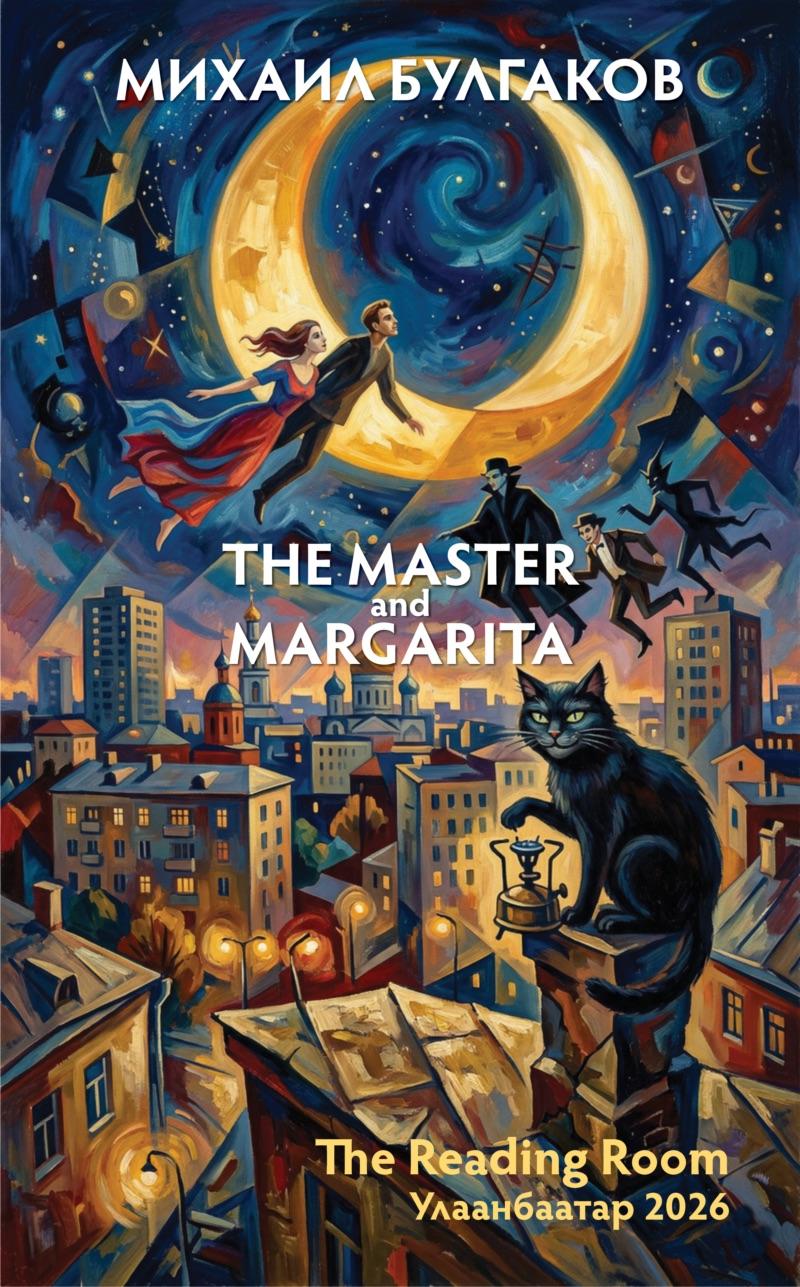
Mikhail Bulgakov was born in 1891 in Kyiv, the eldest of seven children, into a family of professors and priests. He trained as a doctor — a useful profession, as it turned out, for a man who would spend his life studying human weakness up close. But medicine, he soon decided, was not where his real gift lay. Words were. Specifically, the right words arranged in the right order to make readers laugh, then think, then feel a cold discomfort they could not quite name.
He moved to Moscow and became a writer. This was not, by any measure, a safe decision in the Soviet Union of the 1920s and 1930s. Bulgakov wrote plays that were performed and then banned. He wrote stories that were published and then silenced. His apartment was searched and his manuscripts were confiscated. He sent a desperate letter to the Soviet government asking permission either to leave the country or to work in it — and received, to his considerable surprise, a personal phone call from Stalin himself. He stayed. He worked. Most of what he wrote could not be published in his lifetime.
Bulgakov died in 1940, nearly blind, dictating corrections to his wife. His greatest novel (Master & Margarita) — the one he had worked on for twelve years, revising it almost to his final breath — was not published until 1966, more than two decades after his death. He had known it might never appear. He wrote it anyway. This is perhaps the most Bulgakov thing about Bulgakov: the stubborn, dark, comic insistence on doing the work regardless of whether the world is ready for it. His other works include The White Guard, Heart of a Dog, and A Country Doctor’s Notebook — each one a different facet of the same restless, brilliant, impossibly inconvenient mind.